
Speck Ford of Prosser

Blog / Automotive Service and Parts

Blog

All Automotive Service and Parts Dealership Blog Sales Prosser, WA Speck Ford of Prosser Ford dealer Used truck Automotive Finance Fuel Efficient SUV Speck Ford of Prosser service Truck Maintenance Used Cars, SUVs, and Trucks Used Ford

Summer Car Care Tips from Speck Ford of Prosser

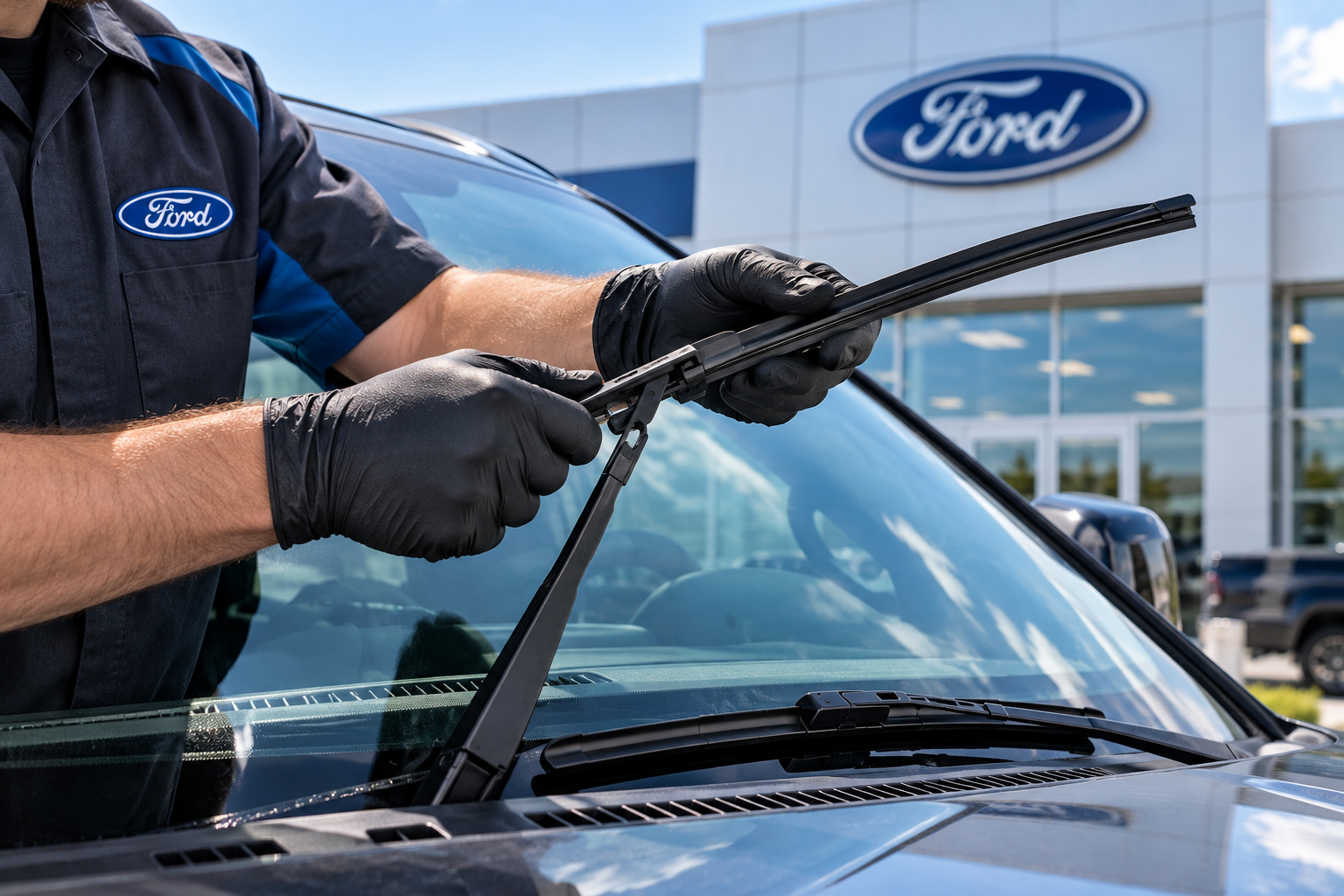
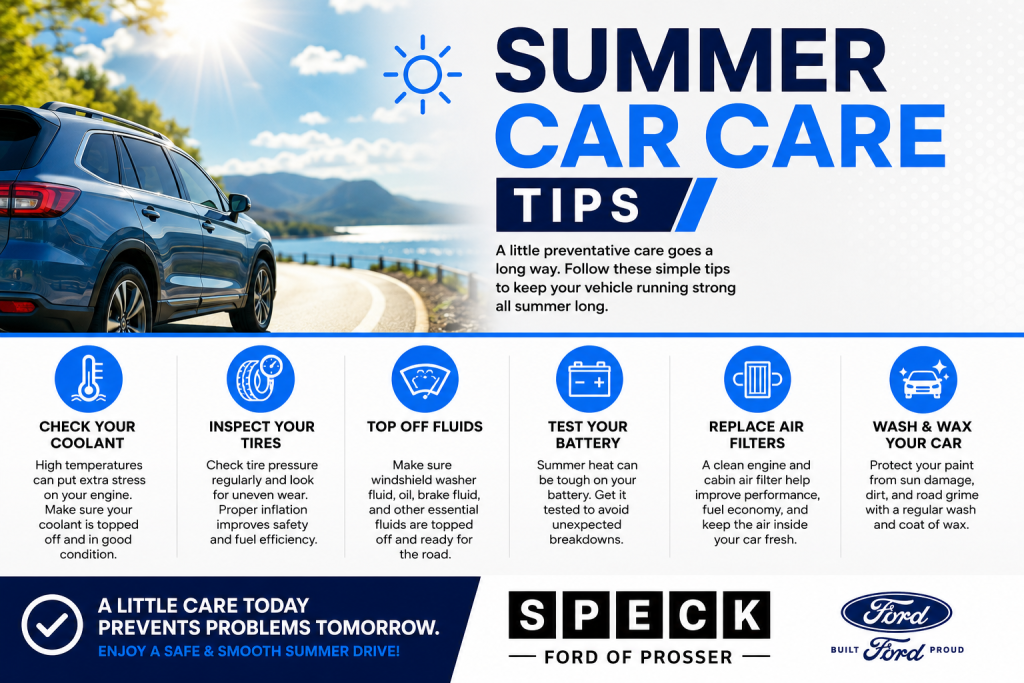
Summer in the Yakima Valley means triple-digit temperatures, long road trips, and vehicles that have to work harder than any other time of year. The good news is that a little proactive summer car care goes a long way and the team at Speck Ford in Prosser, WA is here to make sure your Ford is ready for everything summer throws at it. From routine maintenance to road trip prep, here's what to check before the heat peaks. Important Summer Services for Your Ford Oil Change: Motor oil breaks down faster in extreme heat, losing its ability to properly lubricate and cool your engine. If you're due for an oil change, or close to it, don't put it off heading into summer. Fresh, Ford-approved oil is your engine's first line of defense against the heat. Coolant & Cooling System Check: Your cooling system works overtime in summer. Low or degraded coolant, a cracked hose, or a struggling water pump can lead to an overheated engine, one of the most common and costly summer breakdowns. Have your coolant level, condition, and hoses inspected before temperatures climb. Ford Brake Service: If your brakes are squealing, grinding, or feel soft underfoot, summer is not the time to put it off. Whether you're driving mountain passes, towing a trailer, or just navigating busy summer traffic, worn brakes are a serious safety risk. Our Ford brake service team can inspect pad thickness, rotor condition, and brake fluid to make sure you're stopping confidently when it counts. Battery Test: Most people associate dead batteries with winter, but summer heat is actually harder on batteries than cold weather. High temperatures accelerate battery fluid evaporation and internal breakdown. If your battery is more than three years old, have it tested before summer gets rolling. A/C Service: Nothing makes a Yakima Valley summer more miserable than a struggling A/C. If your air isn't as cold as it used to be, or takes too long to cool the cabin, have your A/C system inspected and recharged before peak heat. It's one of the most requested summer services we see every year, don't wait until the hottest week of July. Tire Check: Summer heat causes tire pressure to increase, raising the risk of a blowout on long highway drives. Check your pressure when tires are cold, inspect tread depth, and look for any sidewall cracking or bulging. Don't forget your spare. Wiper Blades: Summer storms in Eastern Washington can arrive fast and hard. Worn, streaking wiper blades are a cheap fix that can make a big difference in visibility when a sudden downpour hits SR-12 or I-82. Check our Ford Service Specials in Prosser, WA. We run monthly Ford service specials on everything from oil changes and tire rotations to brake inspections and A/C service. Before you schedule, check our current offers online. There's almost always a deal available that can save you money on what your Ford needs this summer. What to Keep in Your Car This Summer Even with a well-maintained vehicle, Eastern Washington's heat and remote stretches of highway make it smart to carry a few essentials. If something goes wrong between Prosser and the coast, these items can make a real difference: Water Keep at least a couple of bottles in the car at all times. Dehydration sets in quickly in Eastern Washington heat if you're stuck roadside. Flashlight & Extra Batteries Essential for roadside issues after dark. A compact LED flashlight takes up almost no space and is worth having every trip. First Aid Kit A basic first aid kit is a must for road trips, especially if you're heading into less-traveled areas around the Yakima Valley or Blue Mountains. Phone Charger & Power Bank A dead phone is a serious inconvenience on a remote stretch of highway. Keep a car charger and a backup power bank in your vehicle all summer. Jumper Cables A battery weakened by summer heat can fail without warning. Jumper cables, or a portable jump starter, can save you a long wait for roadside assistance. Roadside Flares or Reflectors If you need to pull over on a busy highway, flares or reflective triangles help other drivers see you, especially important on high-speed Yakima Valley roads. Sunscreen If you're ever stuck outside in Eastern Washington summer sun, sunscreen matters. Keep a small bottle in the glove box. Tire Inflator or Fix-a-Flat A compact tire inflator or a can of Fix-a-Flat can get you to the nearest service center when a slow leak or minor puncture hits on the road. Summer is one of the best times of year to be driving in the Pacific Northwest A little preparation goes a long way toward making sure every trip goes smoothly. The Ford service team at Speck Ford in Prosser is ready to help get your vehicle summer-ready with fast, professional service and current Ford service specials to keep costs down. Schedule your summer service appointment online or stop by. We'll get you in, get you taken care of, and get you back out on the road. Schedule Service The information provided is for general informational purposes only and does not constitute legal, financial, or professional advice. While we strive to provide accurate and up-to-date information, we make no guarantees regarding the completeness, accuracy, or reliability of the information presented. Any action you take based on the context of this blog is strictly at your own risk. Always consult a qualified professional or specialist for advice specific to your situation. We are not responsible for any losses or damages arising from the use of this blog or its content.

Ford Oil Change in Prosser, WA — Why Going to the Dealership Makes a Difference

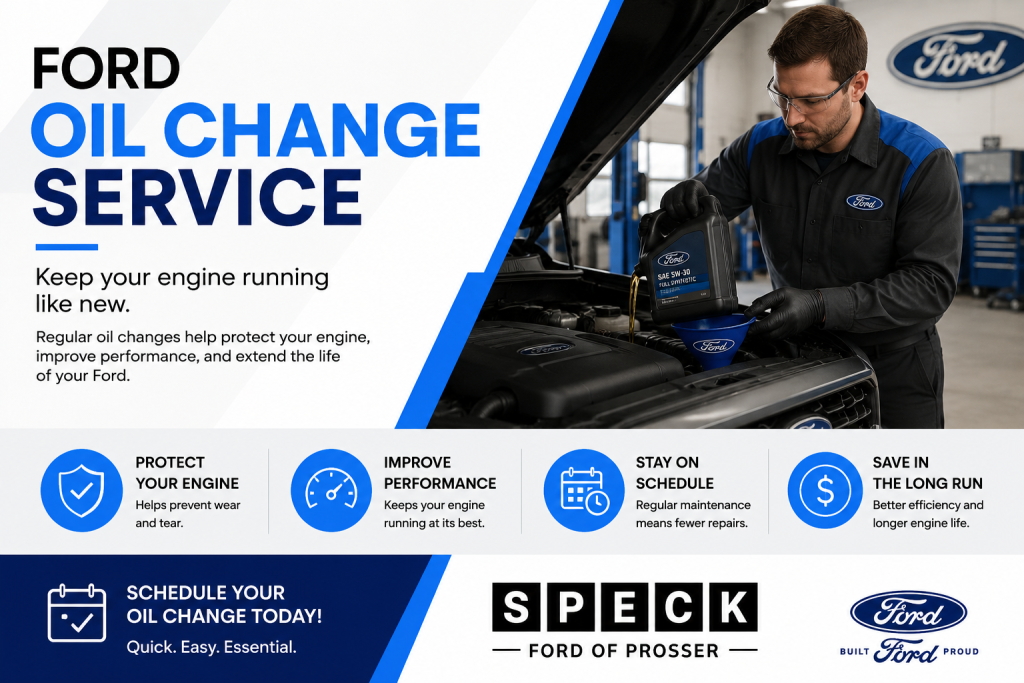
An oil change might seem like a simple service — and in many ways it is. But where you get it done matters more than most Ford owners realize. At Speck Ford's service center in Prosser, WA, our factory-trained technicians use Ford-approved oil and genuine Ford parts to keep your vehicle running the way it was engineered to run. Here's why skipping the quick-lube shop and bringing your Ford to a Ford dealership is worth it. What Happens During a Ford Oil Change? A Ford oil change at our Prosser service center isn't just a drain-and-fill. Our technicians perform a thorough multi-point inspection alongside your oil change, so you leave with a complete picture of your vehicle's health — not just fresh oil. Ford-Approved Motor Oil We use the oil type specifically recommended for your Ford engine — whether that's conventional, synthetic blend, or full synthetic — so your engine gets exactly what Ford engineers designed it for. Genuine Ford Oil Filter Genuine Ford oil filters are engineered to match your vehicle's specific engine tolerances — not a generic one-size-fits-all replacement that may not perform the same way. Multi-Point Inspection Every oil change includes a thorough inspection of key systems — tires, brakes, fluids, filters, belts, and more — so nothing gets missed between regular maintenance visits. FordPass™ Integration Service history is logged and accessible through the FordPass app, making it easy to track your maintenance records and stay on top of upcoming service needs. Benefits of Getting Your Oil Change at a Ford Dealership ✓ Factory-Trained Ford Technicians — Our service team is specifically trained on Ford vehicles. They know your F-150, Explorer, Escape, or Mustang inside and out — not just as a general mechanic, but as Ford specialists who work on these vehicles every day. ✓ The Right Oil for Your Engine — Not all engines are alike, and not all oils are either. Ford specifies exact oil types and viscosities for each engine. Using the wrong oil can reduce performance and long-term engine health. At our Ford service center in Prosser, WA, we always use the correct specification for your vehicle. ✓ Genuine Ford Parts — From the oil filter to any other components replaced during your visit, we use genuine Ford parts that meet the same standards as what came on your vehicle from the factory — not aftermarket alternatives of unknown quality. ✓ Accurate Service Records — Every service visit at our Ford dealership is logged to your vehicle's history. This matters when it comes to warranty claims, trade-in value, and resale — a documented Ford service history is a genuine asset when it's time to sell or trade. ✓ Warranty Protection — If your Ford is still under factory warranty, having your oil changes performed at an authorized Ford service center helps protect your warranty coverage. Keeping a verifiable service record matters if a warranty claim ever comes up. ✓ Catch Problems Early — Because our techs are Ford specialists performing a multi-point inspection alongside every oil change, they're more likely to identify Ford-specific issues early — before they become bigger, more expensive repairs. Convenient Ford Service Right Here in Prosser One of the most common reasons drivers go to a quick-lube shop is convenience — they don't want to drive far or wait long. At Speck Ford in Prosser, WA, we've worked hard to make dealership service just as fast and easy. You don't need to drive to Kennewick or Richland to get genuine Ford service. We're right here in the Yakima Valley, with a service team that respects your time and gets you back on the road quickly. Schedule your Ford oil change in Prosser today. Whether you drive an F-150, Bronco, Explorer, Maverick, Mustang, or any other Ford, our Prosser Ford service center is ready to take care of it. Schedule online or give us a call — same-day appointments are often available. Oil Change Service The information provided is for general informational purposes only and does not constitute legal, financial, or professional advice. While we strive to provide accurate and up-to-date information, we make no guarantees regarding the completeness, accuracy, or reliability of the information presented. Any action you take based on the context of this blog is strictly at your own risk. Always consult a qualified professional or specialist for advice specific to your situation. We are not responsible for any losses or damages arising from the use of this blog or its content.

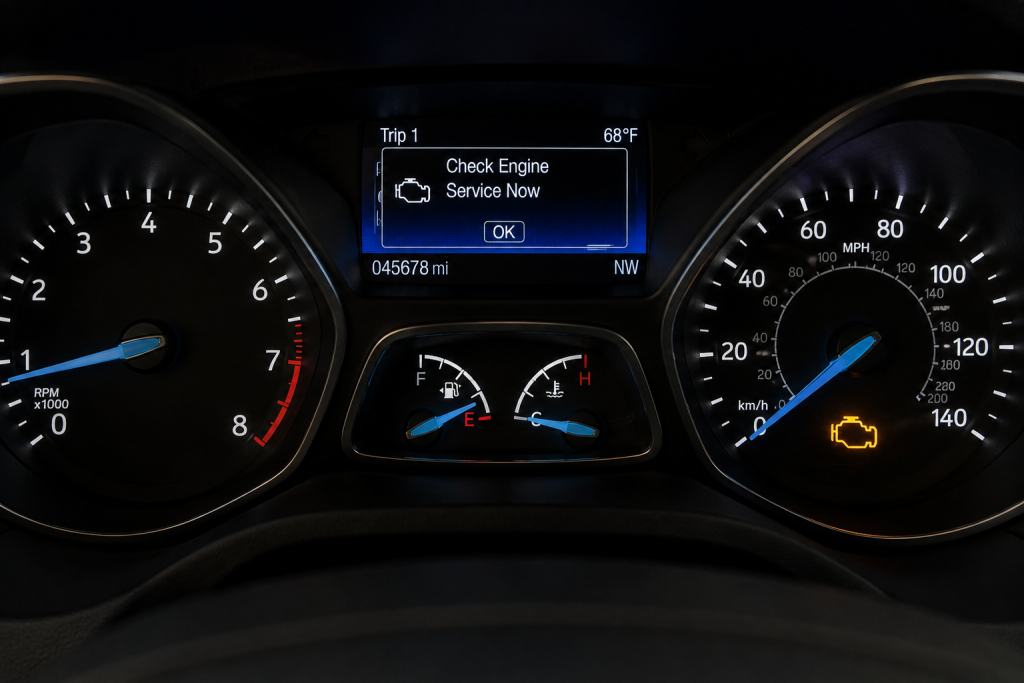
What Is the Check Engine Light — and What Does It Mean?

Seeing your check engine light come on can be unsettling — but it doesn't always mean something serious. It's your vehicle's way of flagging that the onboard diagnostics system has detected something outside of normal parameters. The only way to know exactly what triggered it is a professional diagnostic scan, which reads the stored trouble code and points a technician to the root cause. Solid vs. Flashing — Know the Difference Solid Light Not an immediate emergency, but don't ignore it. Schedule a diagnostic appointment soon — small issues can become bigger repairs over time. Flashing Light Treat this as urgent. A flashing light often signals an active engine misfire that can damage your catalytic converter. Reduce speed and get it checked right away. Most Common Causes Loose or faulty gas cap — One of the most common triggers. Check that your cap is tight before worrying about anything else. Oxygen (O2) sensor failure — Affects your air-fuel ratio and fuel economy. A very frequently triggered code. Spark plugs or ignition coils — Worn plugs or failing coils cause misfires, rough idling, and reduced performance. Mass airflow (MAF) sensor — A dirty or failing sensor throws off the fuel mixture and hurts fuel economy. Catalytic converter — Often triggered by ignoring other issues. Can become an expensive repair if left too long. EVAP system leak — Small leaks in the emissions vapor system are among the most common codes we see. Bring it to Speck Ford in Prosser. Our factory-trained technicians use professional diagnostic equipment to read your trouble codes, find the real cause, and get you back on the road. We serve Prosser, Sunnyside, and drivers from across the Tri-Cities and Yakima Valley. Stop by or schedule a service appointment online today. Schedule Appointment The information provided is for general informational purposes only and does not constitute legal, financial, or professional advice. While we strive to provide accurate and up-to-date information, we make no guarantees regarding the completeness, accuracy, or reliability of the information presented. Any action you take based on the context of this blog is strictly at your own risk. Always consult a qualified professional or specialist for advice specific to your situation. We are not responsible for any losses or damages arising from the use of this blog or its content.

A mechanic holding wrenches and giving a thumbs-up in an auto repair shop.

Why Regular Ford Service Is Essential for Your Vehicle

When life gets busy, it's easy to push vehicle maintenance to the back burner. But skipping routine Ford service appointments can turn small issues into expensive repairs down the road. No matter if it's an oil change, tire rotation, or brake inspection, staying current with maintenance protects your vehicle and your wallet at the same time. Routine upkeep also helps preserve your vehicle's resale value. A well-documented service history shows potential buyers that the car was properly cared for, which can make a difference when it's time to sell or trade in. more What Ford Service Covers Ford service isn't just oil changes. A comprehensive maintenance visit typically includes inspections of your brakes, battery, filters, fluids, belts, and tires. These checks give a trained technician the chance to catch wear or damage before it becomes a safety concern. Your vehicle's owner's manual outlines a recommended maintenance schedule specific to your model and mileage. Following that schedule is one of the simplest ways to keep your Ford running the way it was designed to. How Regular Vehicle Care Protects Your Safety When you keep your vehicle properly maintained, you are making sure it's as safe as it can be. Worn brake pads, low tire tread, or a failing battery can all contribute to dangerous situations on the road. Regular vehicle care ensures that the systems you rely on most are functioning correctly when you need them. Ford service technicians are trained specifically on Ford vehicles, meaning they understand the engineering and components that go into each model. Which can make a difference in the quality and accuracy of any repair or inspection. Ford Mobile Service and Pickup & Delivery Options Ford has made it easier than ever to keep up with regular maintenance, even when your schedule is packed. Ford Mobile Service (where available) allows technicians to perform many common services - like oil and filter changes, tire rotations, and battery checks - right at your home or office. Ford Pickup and Delivery (where available) takes the convenience even further. Just let your dealer know where to pick up your vehicle, and they'll handle the service and bring it back to you. Don't Wait - Stay Ahead of Repairs The best (and cheapest) time to address a potential issue is before it becomes a problem. Staying on top of your Ford service schedule keeps small concerns from growing into major repairs that take more time and money to fix. It also helps your engine, transmission, and other key systems last longer. Schedule Your Next Ford Service Appointment Keeping up with regular vehicle care doesn't have to be complicated. If you're due for a routine oil change or a more thorough inspection, the service experts at Speck Ford Prosser are here to make sure your Ford is running smoothly. You can visit us online at Speck Ford of Prosser to schedule your next appointment.

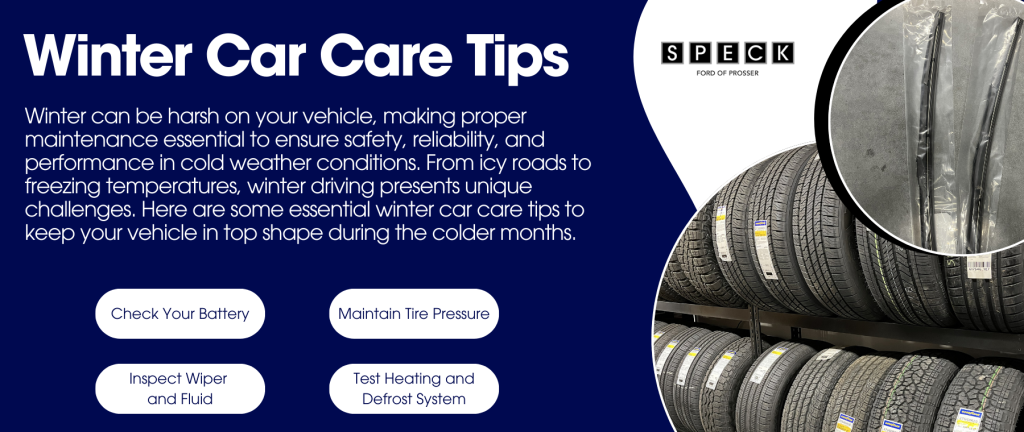
Informative graphic showing winter car care tips

Winter Car Care Tips

Winter can be harsh on your vehicle, making proper maintenance essential to ensure safety, reliability, and performance in cold weather conditions. From icy roads to freezing temperatures, winter driving presents unique challenges. Here are some essential winter car care tips to keep your vehicle in top shape during the colder months. 1. Check Your Battery Cold weather can drain your car's battery, making it harder to start your engine. To prevent getting stranded, check your battery's charge and replace it if necessary. Clean any corrosion from the terminals and ensure the connections are tight. Our Speck Ford service department can check your battery for you if you need. 2. Maintain Proper Tire Pressure Tire pressure drops as temperatures fall, which can reduce traction and increase the risk of skidding. Check your tire pressure regularly and inflate them to the manufacturer's recommended level. Consider switching to winter tires for better grip on icy or snowy roads. 3. Inspect Your Wipers and Washer Fluid Snow, sleet, and ice can reduce visibility, so ensure your wipers are in good condition and replace them if they leave streaks. Use winter-grade washer fluid that won't freeze in cold temperatures. 4. Keep Fluids Topped Off Antifreeze (Coolant): Ensures your engine doesn't freeze in low temperatures. Check the level and top off as needed. Oil: Cold weather thickens oil, making it harder for your engine to function. Consider switching to winter-grade oil if necessary. Brake Fluid: Proper levels ensure effective braking, especially on icy roads. 5. Test Your Heating and Defrosting System Ensure your heater and defroster are functioning properly to keep you warm and maintain clear visibility. If the system isn't working effectively, have it checked by a professional. 6. Keep Your Gas Tank at Least Half Full A fuller gas tank helps prevent fuel lines from freezing and ensures you have enough fuel in case of unexpected delays. 7. Prepare an Emergency Kit Winter weather can be unpredictable, so keep an emergency kit in your car that includes: Ice scraper and snow brush Jumper cables Blanket and extra warm clothing Flashlight with extra batteries Non-perishable snacks and water First-aid kit Sand or cat litter for traction 8. Wash Your Car Regularly Road salt and grime can cause rust and damage to your vehicle's undercarriage. Regularly wash our car, especially the underbody, to prevent corrosion. 9. Drive Cautiously Adjust your driving habits for winter conditions. Reduce speed, leave extra space between vehicles, and avoid sudden braking to maintain control on slippery roads. Final Thoughts Taking these winter car care steps can help keep your vehicle running smoothly and safety throughout the reason. Regular maintenance and preparation will not only extend your car's lifespan but also ensure you're ready for whatever winter throws your way. Stay safe and drive carefully!

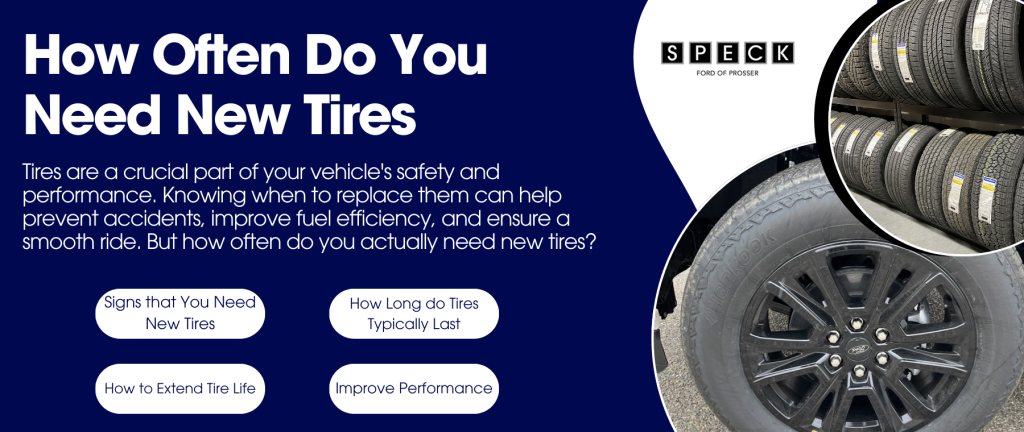
Informative image detailing how often do you need new tires

How Often Do You Need New Tires

Tires are a crucial part of your vehicle's safety and performance. Knowing when to replace them can help prevent accidents, improve fuel efficiency, and ensure a smooth ride. But how often do you actually need new tires? 1. Signs That You Need New Tires It's essential to check your tires regularly for wear and tear. Here are some key signs that indicate it's time for a replacement: Tread Depth is Too Low: If your tread depth is below 2/32 of an inch, it's time for new tires. Use the "penny test" by inserting a penny into the tread with Lincoln's head down. If you can see his entire head, your tread is too low. Visible Cracks or Bulges: Sidewall cracks and bulges can indicate structural damage, increasing the risk of a blowout. Uneven Wear: If some areas of the tread are significantly more worn than others, it could be a sign of improper alignment of inflation issues. Frequent Loss of Air Pressure: If you find yourself refilling your tires more often, there may be a slow leak or internal damage. Vibrations While Driving: Excessive vibration can be a sign of tire wear of internal damage that requires immediate attention. 2. How Long Do Tires Typically Last? The lifespan of your tires depends on factors such as driving habits, road conditions, and tire quality. However, here are some general guidelines: Standard All-Season Tires: Typically last 50,000 to 75,000 miles or about 5 to 6 years. Performance Tires: Often have a shorter lifespan, around 30,000 to 50,000 miles. Winter Tires: Should be replaced after about 4 to 5 seasons, depending on use and storage. Even if your tires appear in good condition, most manufacturers recommend replacing them every 6 to 10 years, as rubber degrades over time. 3. How to Extend Tire Life To get the most out of your tires and avoid premature replacement, follow these maintenance tips: Check Tire Pressure Regularly: Proper inflation reduces wear and improves fuel efficiency. Rotate Your Tires: Rotate every 5,000 to 8,000 miles to ensure even wear. Balance and Align Your Wheels: Helps prevent uneven wear and etends tire life. Avoid Harsh Driving Habits: Hard Braking, rapid acceleration, and excessie speeding can wear tires down faster. Final Thoughts Replacing your tires at the tight time is essential for your safety and your vehicle's performance. Keep an eye on tread depth, inspect for damage, and follow maintenance guidelines to ensure you get the most life out of your tires. When in doubt, consult a professional to assess your tires and determine if they need to be replaced. The information provided is for general informational purposes only and does not constitute legal, financial, or professional advice. While we strive to provide accurate and up-to-date information, we make no guarantees regarding the completeness, accuracy, or reliability of the information presented. Any action you take based on the context of this blog is strictly at your own risk. Always consult a qualified professional or specialist for advice specific to your situation. We are not responsible for any losses or damages arising from the use of this blog or its content.

Contact Us

Fill out this form below and we'll contact you shortly
*Required Fields