Speck Ford of Prosser

Blog / Ford dealer

Fuel Efficient SUVs: How to Find the Right Ford for Your Lifestyle

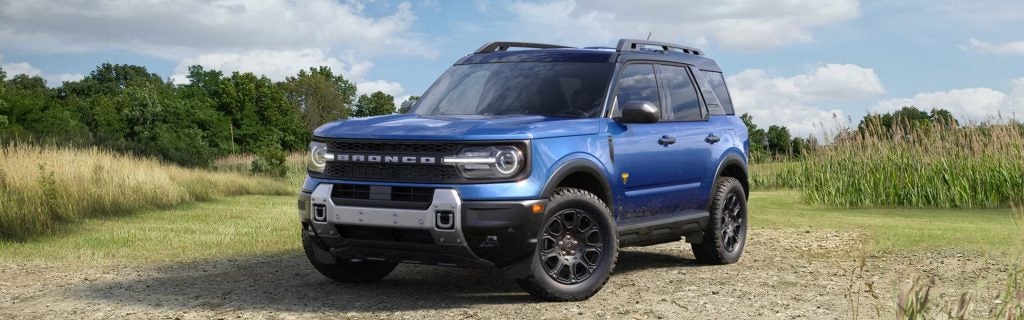
Blue Ford Bronco Sport parked on a dirt path in a grassy field

What Makes an SUV Fuel Efficient? 

Are you tired of watching your gas gauge drop faster than your destination approaches? Finding the perfect balance of power and efficiency is easier than you think, especially when you start your search at Speck Ford of Prosser in Prosser, WA. When shopping for a vehicle, engine size, transmission type, and vehicle weight all drive fuel economy. Ford invests heavily in technologies like EcoBoost engines and hybrid powertrains to give drivers more miles without sacrificing comfort or capability. The 2026 Ford Explorer offers a refined driving experience with modern engineering, like its efficient 2.3L engine, designed to balance power and capability. Reach out to our team today to learn how we can help you upgrade your daily commute. 

Ford SUV Options Worth Considering 

Ford builds a diverse range of SUVs for different needs and budgets. The Explorer provides a strong choice for families requiring three-row seating and everyday versatility. The Bronco leans into off-road capability while delivering a highly practical daily driving experience. Drivers seeking a compact, easy-to-manage option will appreciate the Ford Escape and Bronco Sport. These SUVs are perfectly sized for commuting and weekend adventures alike. They also remain affordable to maintain due to a widespread service network and the FordPass Rewards program. 

Technology That Supports Smarter Driving 

Modern Ford SUVs feature advanced technology that helps you drive more efficiently. Ford Co-Pilot360 includes adaptive cruise control and lane-centering, which reduces unnecessary acceleration and braking, two habits that quietly drain fuel economy. The available BlueCruise hands-free highway driving feature puts driver-assist tools to practical use. Driving smoothly on the highway allows your vehicle to use fuel optimally. High-tech cabins with features like a 13.2" touchscreen equipped with Apple CarPlay© and Android Auto© keep you easily connected, making these efficient vehicles even more enjoyable on long drives. 

Why Maintenance Matters for Long-Term Efficiency 

Properly servicing your SUV is a frequently overlooked factor in fuel economy. Tire pressure, air filters, and regular oil changes directly impact vehicle efficiency. Ford simplifies maintenance through services like Ford Mobile Service and Ford Pickup and Delivery, ensuring routine care fits seamlessly into your busy schedule. Choosing an affordable SUV to maintain requires thinking ahead. Wide parts availability and certified Ford technicians keep service costs predictable on local roads or longer road trips. 

Explore Fuel Efficient SUVs at Speck Ford of Prosser 

Matching the vehicle to your real-world needs guarantees you find the right fit. You may prioritize passenger space, off-road capability, or low ownership costs, and Ford provides strong options for all these requirements. Drivers in Prosser, WA can visit Speck Ford of Prosser to browse our digital showroom, view current inventory, and find a model that fits both your lifestyle and your budget. 

Posted in:

Related Posts

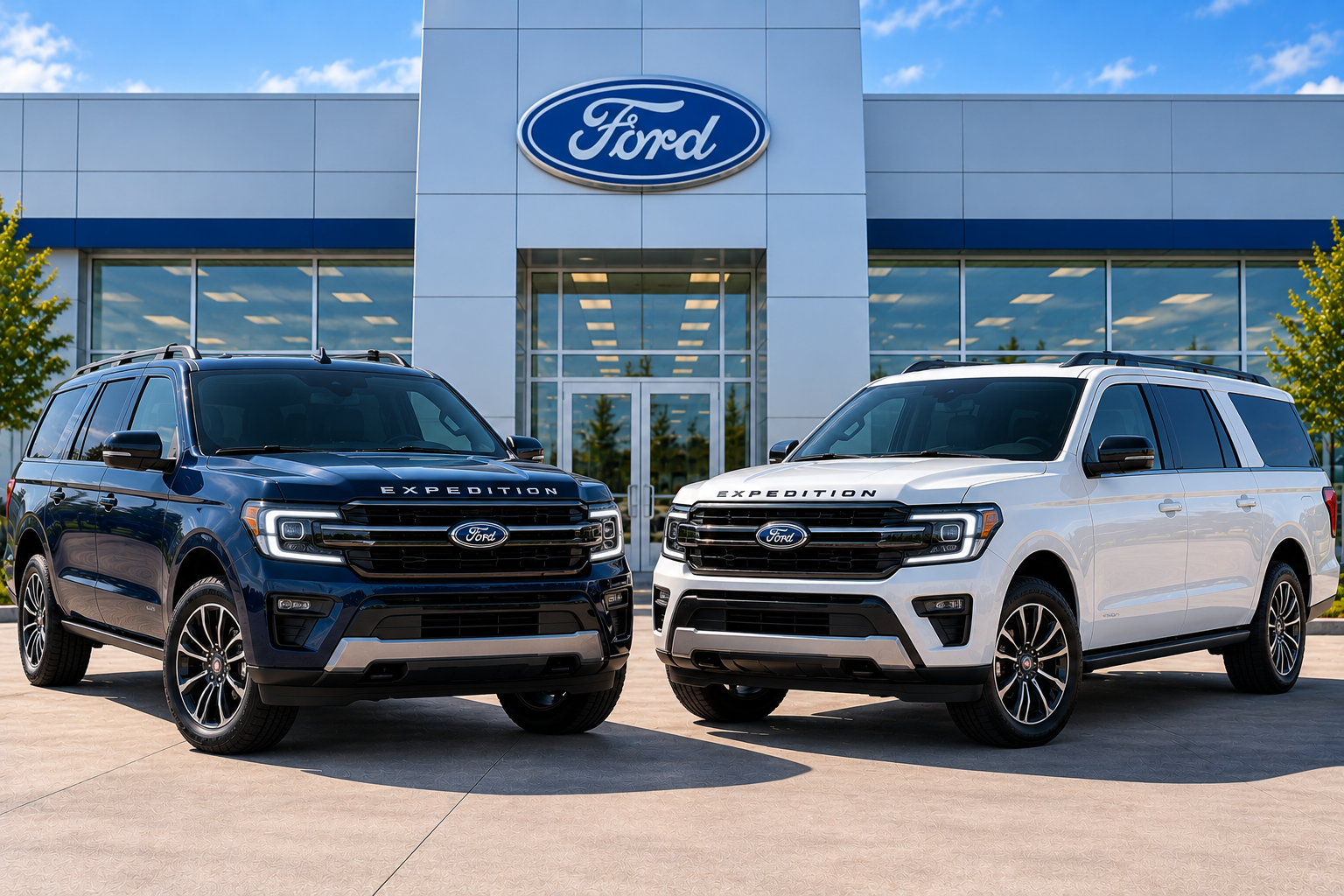
ford-expedition-and-expedition-max-in-front-of-ford-dealer

Expedition or Expedition Max? A Guide for Tri-Cities, WA Drivers

If you are shopping for a Ford Expedition for sale in Prosser, WA, one of the first decisions you will face is choosing between the standard Expedition and the Expedition Max. Both are capable and well-equipped full-size SUVs with genuine three-row SUV seating. Here is your complete Expedition Max vs Expedition comparison guide from our team at Speck Ford of Prosser. What Is the Same on Both Models? Same twin-turbo 3.5L EcoBoost V6 powertrain options Same seating for up to eight passengers across three rows Same standard Ford Co-Pilot360 safety technology Same trim levels including XL, XLT, Limited, Platinum, and Timberline Same available four-wheel drive for Eastern Washington winter confidence Same starting MSRP at equivalent trim levels What Is Different: Expedition vs Expedition Max The difference between Expedition and Expedition Max is simple. The Max is a longer wheelbase version of the standard Expedition. That longer wheelbase translates directly into more cargo space and more overall interior room. Measurement Ford Expedition Expedition Max Overall Length 210.0 inches 221.9 inches Cargo Behind 3rd Row 20.9 cu ft 35.4 cu ft Cargo Behind 2nd Row 57.5 cu ft 73.4 cu ft Max Cargo Space 104.6 cu ft 121.5 cu ft 2nd Row Legroom 41.3 inches 43.9 inches Towing Capacity 9,600 lbs 9,000 lbs The Expedition Max provides significantly more cargo space behind the third row than the standard model. That extra cargo space is the primary reason most families upgrade to the Max configuration. Which Is Right for Your Family? Small Family of Four or Five You have two adults and two or three children who occasionally need three-row SUV seating for carpools and family trips. Recommendation: Standard Ford Expedition The standard Expedition provides more than enough room for a family of four or five. The shorter overall length is also easier to park and maneuver around Kennewick, Richland, and Pasco. Large Family of Six or Seven You have two adults and four or five children. All three rows are regularly occupied on family trips and school runs. Recommendation: Ford Expedition Max The Expedition Max's additional length translates into more comfort for third-row passengers. The 35.4 cubic feet of cargo behind the third row is a significant improvement. For larger Tri-Cities families who regularly fill all three rows, the Max is the clear choice. Active Family with Lots of Gear You regularly haul sports equipment, camping gear, and recreational equipment across Eastern Washington. Weekend trips to the Blue Mountains and Columbia River Gorge are a regular part of your lifestyle. Recommendation: Ford Expedition Max The Expedition Max's massive cargo capacity makes it the superior choice for active Tri-Cities families. Loading camping equipment and luggage for the whole family is significantly easier in the Max. The available Timberline trim adds off-road capability perfect for Eastern Washington adventures. Towing a Boat or Camper You regularly tow a boat to the Columbia River or a camper to Eastern Washington campgrounds. Towing capacity and stability are important factors in your decision. Recommendation: Either Model Both models offer the same maximum towing capacity of up to 9,300 lbs when properly equipped. Either model handles a boat, camper, or recreational trailer comfortably for most Tri-Cities towing needs. Powertrain Options: Same on Both Both the Ford Expedition and Expedition Max share the same available engines: Standard 3.5L EcoBoost V6 400 HP · 480 lb-ft Torque · Available on all trim levels. The right choice for most Tri-Cities families who do not regularly tow at or near maximum capacity. High Output 3.5L EcoBoost V6 440 HP · 510 lb-ft Torque · Available on Platinum and Timberline trims. The preferred choice for drivers who want maximum performance from their full-size SUV. Quick Decision Guide Choose the Standard Ford Expedition if you: Have a family of five or fewer passengers Want easier parking and maneuvering around the Tri-Cities Do not regularly need maximum cargo space behind the third row Choose the Ford Expedition Max if you: Have a large family of six, seven, or eight passengers Regularly fill all three rows and still need meaningful cargo space Haul significant amounts of gear and luggage on every family trip Find Your Ford Expedition for Sale in Prosser, WA Ready to find your perfect Ford Expedition for sale in Prosser, WA? Stop by Speck Ford of Prosser or browse our current Expedition and Expedition Max inventory online. Our team is ready to walk you through every available trim and current Ford offer. We serve Prosser, Sunnyside, Grandview, Kennewick, Richland, Pasco, and the entire Yakima Valley. Your perfect full-size SUV is waiting for you at Speck Ford of Prosser today. Shop All Expedition Models

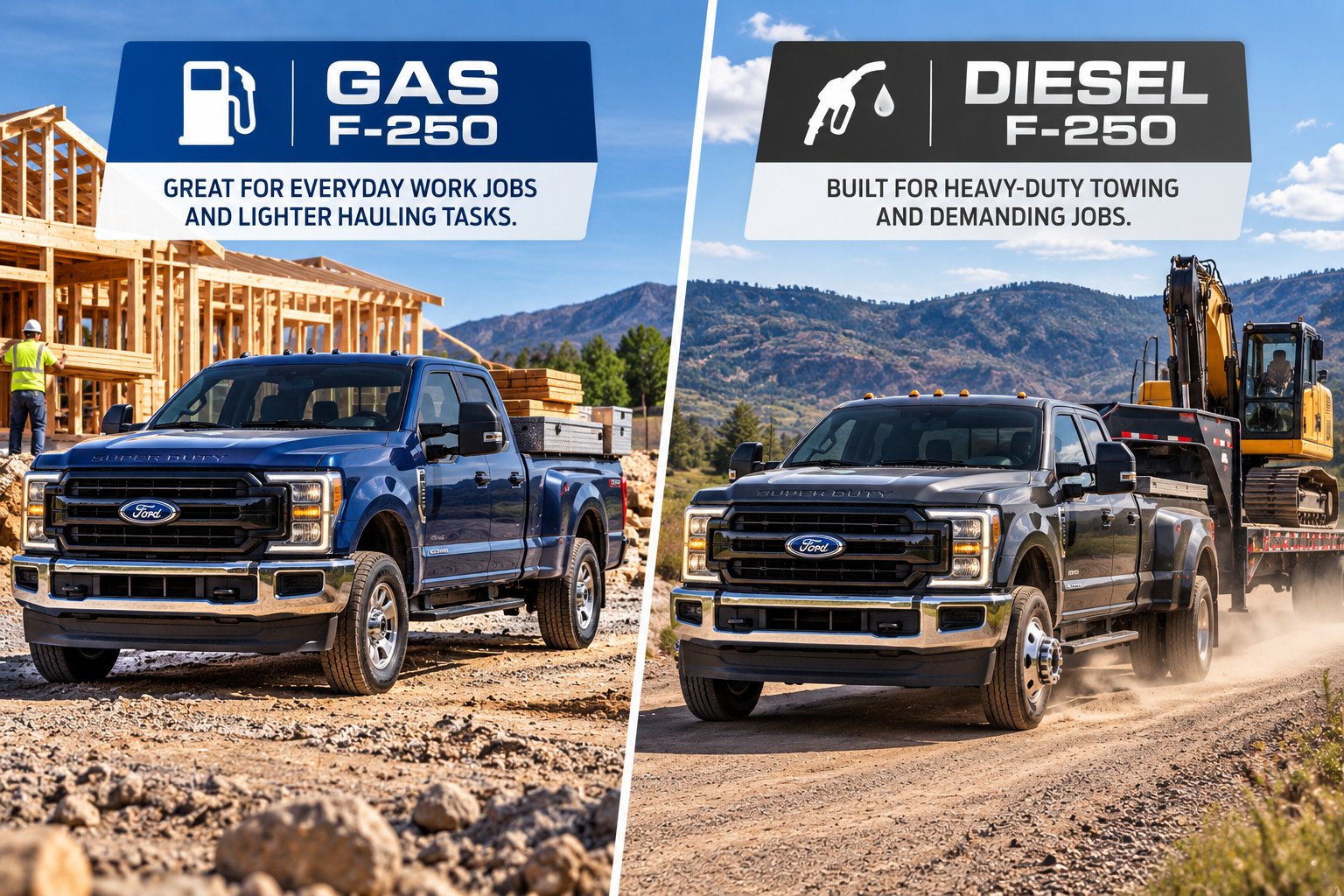
f250-trucks-doing-different-tasks

Ford F-250 Gas vs Diesel: Which Makes Sense for Your Work?

If you are shopping for a new F-250 for sale near Prosser, WA, one of the biggest decisions you will face is gas vs diesel. Both engines are proven, powerful, and capable of handling serious work across the Yakima Valley and Tri-Cities area. Here is your complete super duty gas vs diesel guide from Speck Ford of Prosser. F-250 Engine Options 6.2L V8 Gas: 400 HP · 464 lb-ft Torque · Standard Engine A proven and reliable workhorse at a lower upfront price than diesel. Simpler and less expensive to maintain over the life of the truck. 7.3L V8 Gas: 430 HP · 475 lb-ft Torque · Available Upgrade More power than the 6.2L without the diesel premium. A great middle-ground option for Prosser and Yakima Valley buyers who need more capability. 6.7L Power Stroke Turbo Diesel: 500 HP · 1,200 lb-ft Torque · Available Upgrade The most powerful and capable engine in the F-250 lineup. The clear choice for farmers, ranchers, and contractors who regularly push their truck to maximum towing capacity. Towing: Where Diesel Shines Engine Max Conventional Towing Max Fifth-Wheel Towing 6.2L V8 Gas 15,000 lbs 18,000 lbs 7.3L V8 Gas 17,500 lbs 20,000 lbs 6.7L Diesel 22,800 lbs 27,500 lbs The diesel engine's torque advantage is most noticeable during sustained heavy towing on long highway grades. Pulling a heavy fifth-wheel over Snoqualmie Pass or towing a livestock trailer across the Horse Heaven Hills is noticeably more relaxed with the diesel engine. Payload: Where Gas Has the Edge The diesel engine is significantly heavier than either gas option. That additional weight reduces your available F-250 payload capacity compared to an equivalent gas-equipped truck. Engine Max Payload Capacity 6.2L V8 Gas Up to 4,260 lbs 7.3L V8 Gas Up to 4,200 lbs 6.7L Diesel Up to 3,990 lbs If hauling maximum weight in the bed is a priority, the gas engine gives you slightly more available payload capacity for Tri-Cities job site work. Upfront Cost The 6.7L Power Stroke diesel option typically adds $10,000 or more to the purchase price of a new F-250. The 7.3L gas engine upgrade is a much smaller investment and provides meaningful power improvements over the standard 6.2L. Our team at Speck Ford of Prosser will help you evaluate whether the diesel premium makes financial sense for your work needs. Fuel and Maintenance Costs Diesel fuel is sometimes more expensive than regular gasoline at Prosser and Yakima Valley stations. However, the diesel's superior fuel economy on long highway hauls can offset the higher per-gallon cost for high-mileage drivers. Diesel engines also require more specialized maintenance including more expensive oil changes and regular diesel exhaust fluid (DEF) refilling. Gas engines are generally simpler and less expensive to maintain throughout their service life. Diesel-equipped F-250 trucks typically command a significantly stronger resale value at trade-in time. Which Option Is Best for Your Lifestyle? Yakima Valley Farmer or Rancher You regularly pull livestock trailers and heavy farm loads across Benton County and Eastern Washington. Your loads frequently approach or exceed 18,000 pounds behind the truck. Recommendation: 6.7L Power Stroke Diesel The diesel's massive torque and superior towing capacity make it the clear choice. Is a diesel truck worth it for this application? Absolutely yes. Tri-Cities Contractor or Builder You haul materials and equipment around Kennewick, Richland, and Pasco job sites every day. Your loads rarely exceed 15,000 pounds and you do mostly city and short highway driving. Recommendation: 7.3L V8 Gas The 7.3L handles typical contractor loads comfortably without the diesel premium. City driving and short trips do not favor the diesel's fuel economy advantage. Weekend Recreational Tower You tow a fifth-wheel camper or large boat on weekends with trailer weights between 16,000 and 22,000 pounds. You regularly travel to campgrounds and recreational destinations across Eastern Washington. Recommendation: 6.7L Power Stroke Diesel The diesel makes towing a heavy fifth-wheel noticeably more relaxed on long highway stretches. For loads over 18,000 pounds, the diesel is the safer and smarter choice. Light to Moderate Work Truck You need heavy-duty capability occasionally but most daily use involves lighter loads and everyday driving around Prosser and the Yakima Valley. Recommendation: 6.2L V8 Gas If your loads stay well within the gas engine's capability, the lower upfront cost and simpler maintenance make the most financial sense. Built for Tri-Cities Work From vineyard and orchard operations in Benton County to construction projects across Kennewick, Richland, and Pasco, the F-250 Super Duty is the workhorse of choice for Eastern Washington's hardest working drivers. Both gas and diesel options are fully capable of handling Tri-Cities area work demands. The right choice simply depends on the size and frequency of your loads. Find Your F-250 for Sale Near Prosser Ready to find your perfect F-250 for sale near Prosser, WA at your local Ford Super Duty dealer near Prosser? Our team knows every detail of both gas and diesel Super Duty configurations. Here is how to get started: Online: Browse our current F-250 Super Duty inventory at our website By Phone: Call our sales team directly to discuss your engine needs Walk-In: Stop by during business hours for a test drive and comparison We serve Prosser, Sunnyside, Grandview, Kennewick, Richland, Pasco, and the entire Yakima Valley. Your perfect F-250 for sale near Prosser is waiting for you at Speck Ford of Prosser today. Shop Ford Super Duty The information provided is for general informational purposes only and does not constitute legal, financial, or professional advice. While we strive to provide accurate and up-to-date information, we make no guarantees regarding the completeness, accuracy, or reliability of the information presented. Any action you take based on the context of this blog is strictly at your own risk. Always consult a qualified professional or specialist for advice specific to your situation. We are not responsible for any losses or damages arising from the use of this blog or its content.
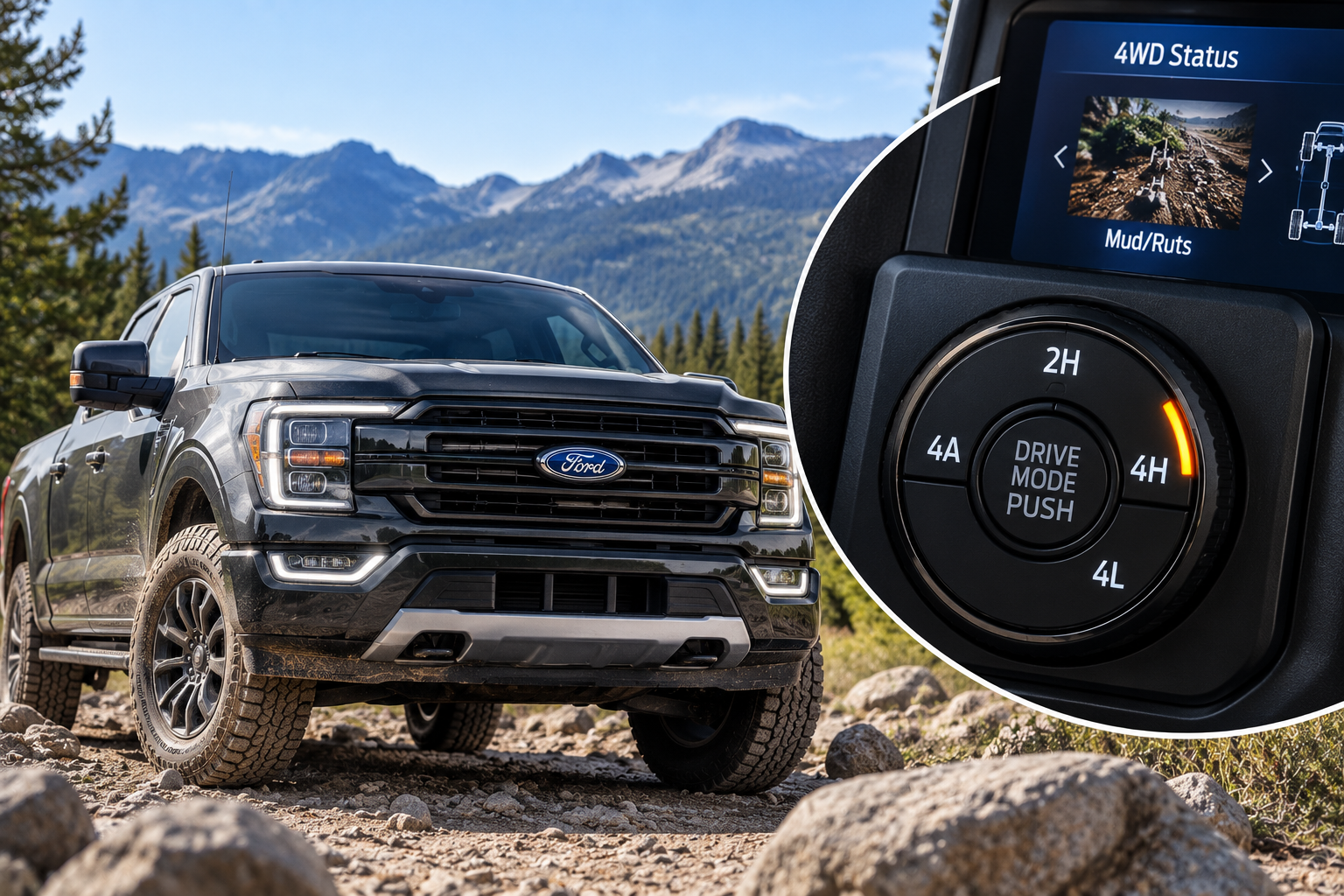
ford-in-4wd-mode

Ford 4WD Modes Explained: Which Setting Should You Use?

If you own a Ford F-150, Super Duty, Expedition, Bronco, or Ranger, you likely have access to multiple Ford 4WD settings. Many drivers are not sure which setting to use or when to use 4WD in different conditions. Here is your simple guide to Ford 4WD settings and Ford drive modes for Yakima Valley and Tri-Cities drivers. Ford 4WD Modes Explained 2H (Two-Wheel Drive High) 2H is your standard everyday driving mode. Use 2H for all normal driving on dry pavement around Kennewick, Richland, and Pasco. It delivers the best fuel economy of any available drive mode. Always use 2H on dry paved roads for the smoothest and most efficient everyday driving experience. 4A (Four-Wheel Drive Auto) 4A automatically engages four wheel drive when it detects wheel slippage or loss of traction. It switches back to two-wheel drive automatically when full traction is restored. 4A is a great everyday mode for Yakima Valley drivers who deal with variable road conditions. It is safe to use on any road surface including dry pavement without causing drivetrain damage. 4H (Four-Wheel Drive High) 4H sends power to all four wheels simultaneously for maximum traction in slippery conditions. Use 4H on snow, ice, mud, gravel, or wet roads at normal highway speeds. Most Ford vehicles allow you to switch into 4H while driving at speeds up to 55 mph. Do not use 4H on dry pavement as it can cause drivetrain binding and damage. 4L (Four-Wheel Drive Low) 4L provides maximum torque and traction at very low speeds for the most demanding off-road situations. Use 4L for rock crawling, deep mud, steep hill climbing, or getting unstuck. Always come to a complete stop before switching into or out of 4L. Yakima Valley drivers who explore the Horse Heaven Hills or Blue Mountains will find 4L invaluable. 4H vs 4L: Quick Reference Situation Best Mode Dry pavement everyday driving 2H Variable conditions throughout the day 4A Icy or snowy roads at normal speeds 4H Deep snow or mud at normal speeds 4H Rock crawling or extreme off-road 4L Steep hill climbing or descending 4L Getting unstuck from deep mud or sand 4L Ford Drive Modes Many modern Ford trucks and SUVs also offer selectable Ford drive modes that adjust throttle response, transmission shift points, and stability control for different terrain types: Normal: Standard everyday driving mode for balanced performance and fuel economy. Eco: Optimizes throttle and transmission for maximum fuel economy on long Yakima Valley highway drives. Sport: Sharpens throttle response for a more engaging driving experience on Eastern Washington highways. Tow/Haul: Always engage when pulling a trailer, boat, or camper across Eastern Washington highways and mountain passes. Slippery: Reduces throttle sensitivity for driving on wet, icy, or snowy road surfaces around the Tri-Cities. Mud/Ruts: Optimizes throttle and traction control for deep mud and rutted off-road terrain across Eastern Washington. 4WD vs AWD: What Is the Difference? Four-Wheel Drive (4WD) Four wheel drive is a driver-selectable system that locks all four wheels together for maximum traction. 4WD is found on trucks and body-on-frame SUVs like the F-150, Super Duty, Expedition, and Bronco. It provides the most capability in extreme off-road conditions. All-Wheel Drive (AWD) AWD automatically distributes power to all four wheels as needed without driver input. AWD is great for everyday winter driving and wet road traction. However, AWD generally cannot match the extreme off-road capability of a properly equipped four wheel drive system. For most Yakima Valley drivers, a 4WD truck with 4A mode provides the best of both worlds for everyday and off-road driving needs. Tips for Using 4WD in the Tri-Cities, WA Never use 4H or 4L on dry pavement as it causes drivetrain binding and damage Engage 4H before you need it rather than after you are already stuck or sliding Always slow down before switching between Ford 4WD settings on most models Come to a complete stop before engaging 4L on your Ford truck or SUV Use 4A as your default mode during variable Yakima Valley fall and winter weather Always return to 2H once you are back on dry pavement When to Use 4WD in the Tri-Cities Area Icy morning roads in Kennewick, Richland, and Pasco during winter months: use 4H Snow-covered roads heading over Snoqualmie or Blewett Pass: use 4H Muddy vineyard or ranch roads in Benton County and the Yakima Valley: use 4H or 4L Deep sand near the Columbia River or Eastern Washington recreational areas: use 4L Rock crawling on trails in the Blue Mountains or Cascade foothills: use 4L Getting unstuck from deep mud or snow drifts near Prosser or Sunnyside: use 4L Come See Our 4WD Ford Lineup at Speck Ford of Prosser Ready to experience Ford's impressive four wheel drive capability for yourself? Stop by Speck Ford of Prosser and our team will walk you through every available Ford 4WD setting and Ford drive mode on our current F-150, Super Duty, Expedition, Bronco, and Ranger lineup. Here is how to get started: Online: Browse our current 4WD Ford inventory at our website By Phone: Call our sales team directly to discuss your 4WD needs Walk-In: Stop by during business hours for a test drive and demonstration We serve Prosser, Sunnyside, Grandview, Kennewick, Richland, Pasco, and the entire Yakima Valley. Come see us today and experience the confidence of Ford four wheel drive for yourself. Shop Ford Inventory The information provided is for general informational purposes only and does not constitute legal, financial, or professional advice. While we strive to provide accurate and up-to-date information, we make no guarantees regarding the completeness, accuracy, or reliability of the information presented. Any action you take based on the context of this blog is strictly at your own risk. Always consult a qualified professional or specialist for advice specific to your situation. We are not responsible for any losses or damages arising from the use of this blog or its content.