Whether you’re hauling a boat down to the Columbia River, pulling a horse trailer through the Yakima Valley, or moving equipment between vineyards and job sites, having the right truck makes all the difference. The Ford F-150 has long been America’s best-selling truck — and for good reason. With six engine options and a range of configurations, the Ford F-150 towing capacity and payload ratings cover nearly every hauling need a Prosser-area driver could have. Here’s everything you need to know.
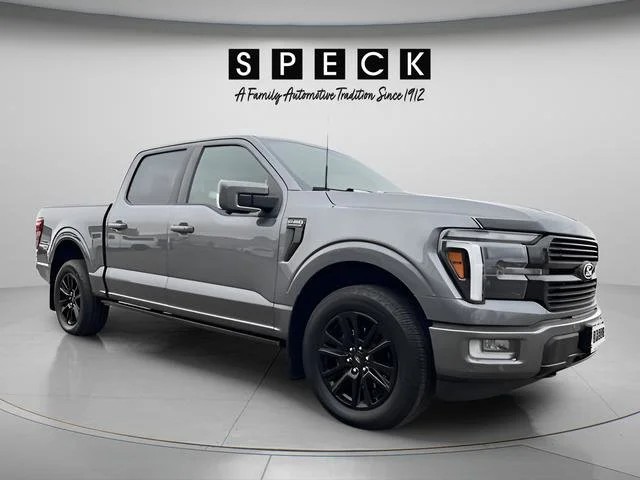
F-150 Towing Capacity by Engine
Not all Ford F-150 trucks tow the same amount. Your final tow rating depends on the engine, cab size, bed length, drivetrain, and whether your truck is equipped with the proper towing package. Here’s a breakdown of the 2025 F-150 towing capacity by engine:
| Engine | Max Towing | Max Payload |
|---|---|---|
| 3.5L EcoBoost V6 SuperCrew, 6.5′ box, 4×4 + Max Tow Package | 13,500 lbs | 2,440 lbs |
| 5.0L Ti-VCT V8 | 12,800 lbs | 2,235 lbs |
| 3.5L PowerBoost Hybrid V6 | 12,700 lbs | 1,740 lbs |
| 2.7L EcoBoost V6 | 8,400 lbs | 1,775 lbs |
| 3.0L Power Stroke Diesel V6 | 8,700 lbs | 1,400 lbs |
All figures are EPA estimates for 2025 models when properly equipped. Max tow ratings require the available Max Trailer Tow Package and specific cab/bed/axle configurations. Always verify your truck’s specific tow rating on the door jamb sticker.
Understanding Towing vs. Payload
When talking about Ford F-150 towing capacity and payload ratings, it’s important to know the difference. Towing capacity refers to the maximum weight your truck can pull behind it on a trailer. Payload capacity refers to how much weight you can carry inside the cab and bed combined — tools, gear, passengers, and cargo all count toward this number. Both matter, and exceeding either one is unsafe and can cause serious damage to your truck. For Prosser and Yakima Valley drivers hauling farm equipment, ATVs, or wine industry supplies, keeping both numbers in mind is essential.
Best Towing Setup on the F-150
To unlock the best towing performance from the F-150, you’ll want the 3.5L EcoBoost V6 paired with the Max Trailer Tow Package, which adds a 3.55 electronic-locking rear axle, an integrated trailer brake controller, and a larger 36-gallon fuel tank for longer hauls. Additional available tech like Pro Trailer Backup Assist, Blind Spot Information System with Trailer Coverage, and Trailer Sway Control make hitching up and hitting the road safer and more confidence-inspiring than ever.
Pro tip: Two F-150s that look identical on the lot can have very different tow ratings depending on their configuration. Always check the yellow sticker on the driver’s door jamb for your specific truck’s certified tow and payload ratings before hooking up a trailer.
When to Upgrade to a Ford Super Duty
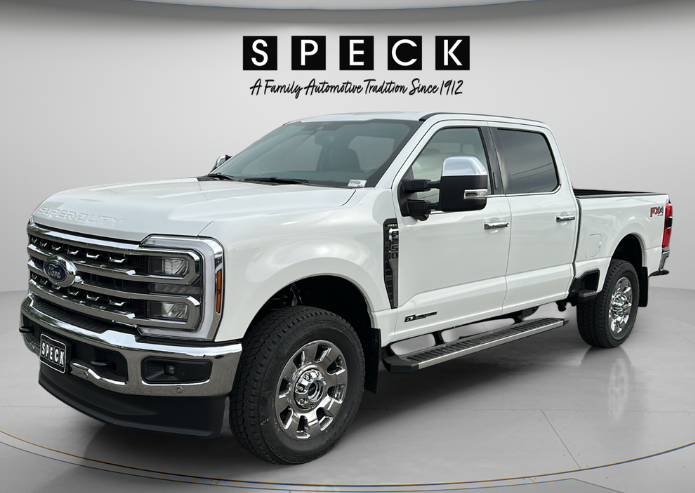
The Ford F-150 handles the vast majority of hauling needs in the Prosser area — but there are times when a heavy-duty truck is the right call. If you’re regularly pulling loads over 13,500 lbs, hauling heavy farm machinery, towing a large fifth-wheel RV, or need to carry significant weight in the bed on a daily basis, it may be time to step up to the Ford Super Duty. The F-250 offers up to 20,000 lbs of towing and 4,303 lbs of payload, while the F-350 takes it all the way to 40,000 lbs of towing and up to 8,000 lbs of payload when properly equipped. Simply put — if the job is consistently pushing or exceeding what the F-150 can handle, the Super Duty is built for exactly that.
Still not sure which Ford F-150 configuration is right for your hauling needs in Prosser? Stop by or give us a call — our team knows trucks, and we’ll help you find the right setup for the job.
The information provided is for general informational purposes only and does not constitute legal, financial, or professional advice. While we strive to provide accurate and up-to-date information, we make no guarantees regarding the completeness, accuracy, or reliability of the information presented. Any action you take based on the context of this blog is strictly at your own risk. Always consult a qualified professional or specialist for advice specific to your situation. We are not responsible for any losses or damages arising from the use of this blog or its content.
Connect with us

